

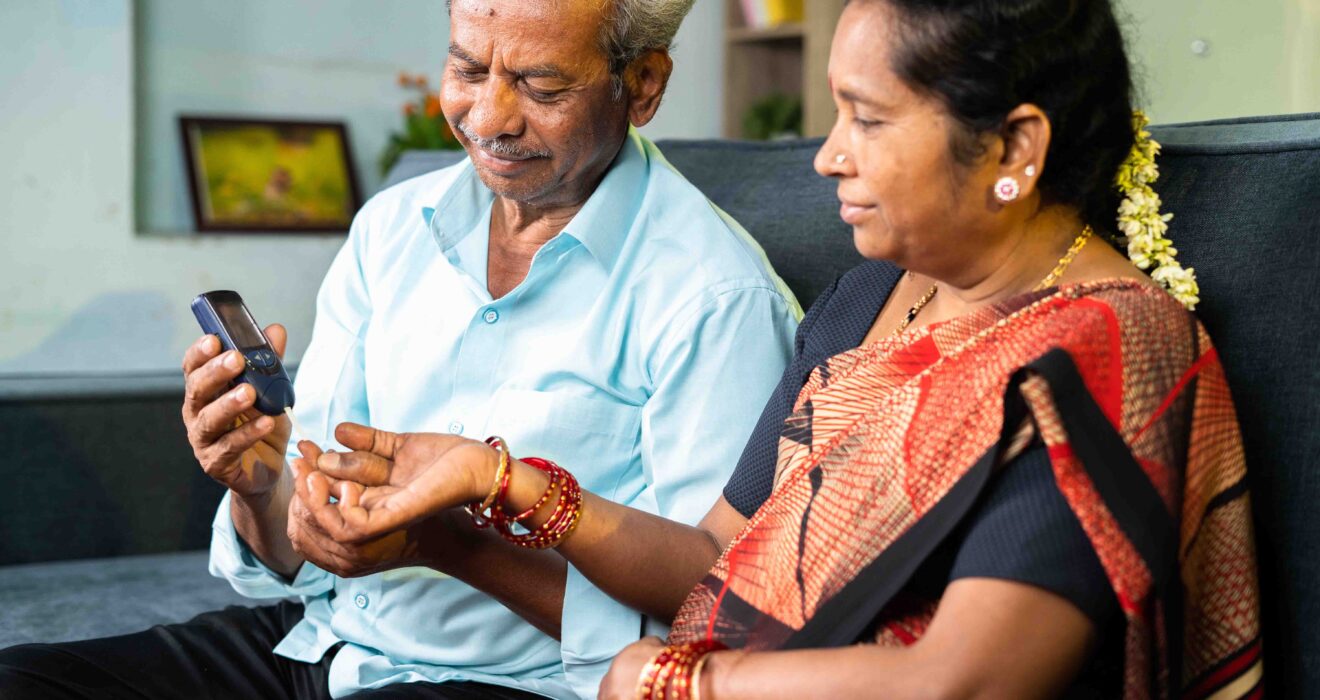
India is often called the “Diabetes Capital of the World.” It’s a title no country wants. With more than 77 million diabetics, India ranks second globally, and the numbers are still climbing.
Understanding Diabetes
Diabetes occurs when the body cannot properly use or produce insulin, leading to high blood sugar levels. The two major types are:
- Type 1: Usually genetic and diagnosed early in life.
- Type 2: Largely lifestyle-driven and preventable.
In India, Type 2 diabetes accounts for over 90% of cases.
Why India?
Genetics play a role—South Asians are more prone to insulin resistance. But lifestyle factors have amplified the crisis:
- High carbohydrate diets heavy on white rice and sugar
- Sedentary lifestyles
- Urban stress and irregular sleep
- Rising obesity levels
Even rural India isn’t immune. As processed foods and packaged snacks spread, so does diabetes.
Early Warning Signs
Frequent urination, fatigue, increased thirst, and blurred vision are red flags. Yet many Indians ignore symptoms until complications—like kidney disease or heart problems—appear.
The Prevention Equation
- Healthy Eating: Replace refined carbs with whole grains and fiber-rich foods.
- Exercise: At least 30 minutes of brisk activity daily.
- Routine Check-ups: Blood sugar tests after age 30.
- Weight Management: Reducing even 5–7% of body weight cuts diabetes risk drastically.
Living with Diabetes
It’s not a death sentence. With awareness, medication, and lifestyle control, people can live full lives. The focus should shift from treating diabetes to managing and preventing it through long-term behavior change.
Conclusion
Diabetes in India isn’t just a health issue—it’s a national challenge. But it’s one we can beat with awareness, discipline, and smarter living.